Your body has been
talking this whole time.
Were you listening?
On perfectionism, permission, and what your body already knows about you.
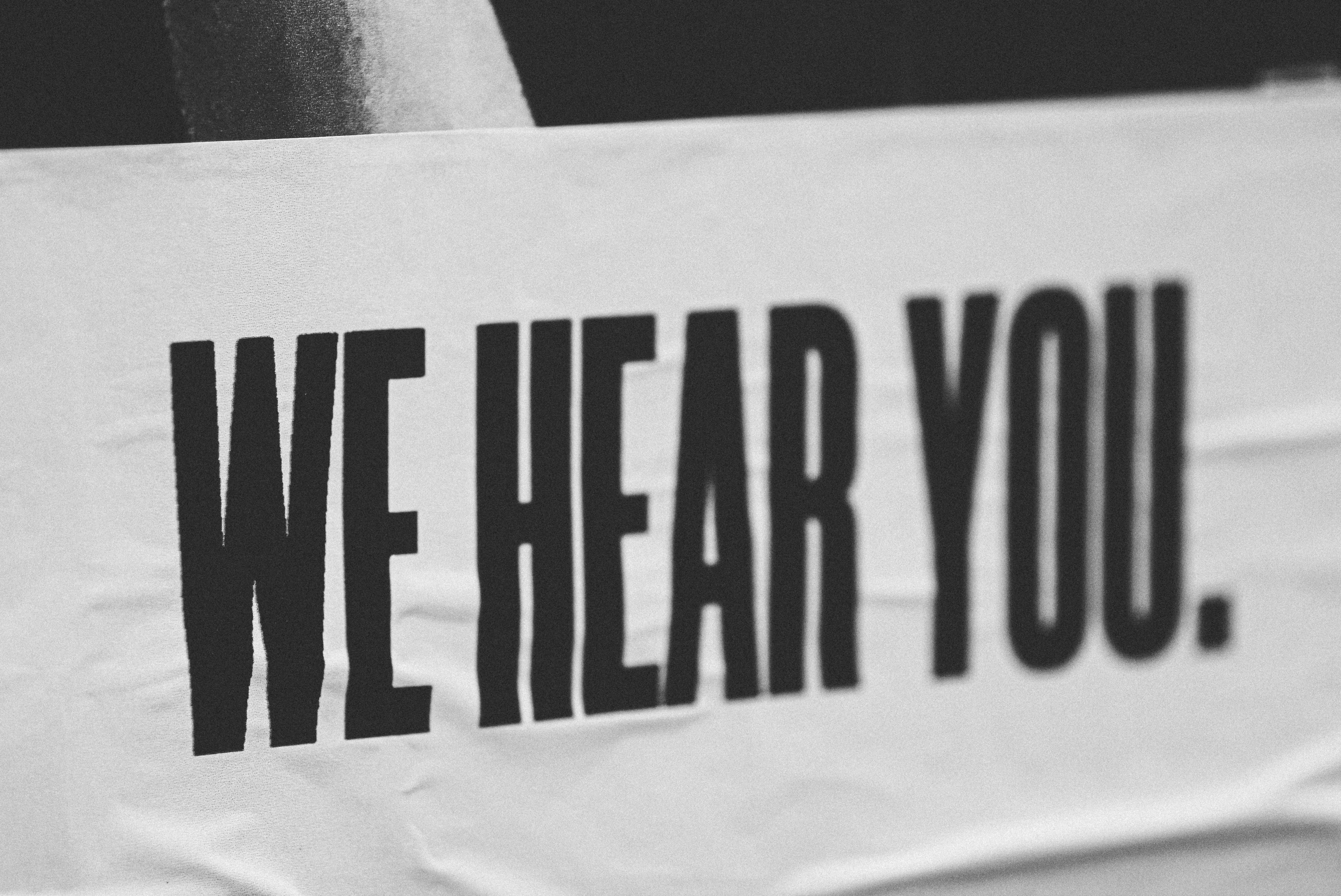
You do not need a perfect diet to deserve a body that works.
Read that again if you need to.
You do not need to have the right weight.
The right routine.
The right relationship with rest.
You do not need to have already figured it out
before you are allowed to start paying attention.
And yet.
Most women arrive here — at any kind of support, any kind of care — with an apology already prepared. A list of the things they have not been doing well enough. The sleep they have not protected. The food they have not optimized. The exercise they intended and the stress they could not seem to manage. As if the entry requirement is a clean record.
As if you have to earn the right to be helped.
Here is the question I find more interesting than what you are or are not doing:
What does taking care of yourself actually feel like — separate from doing it correctly?
For many of us, those two things got tangled somewhere along the way.
Care became performance.
Not through fault. Through years of being measured — by others, by ourselves — against a standard that kept moving.
The body, meanwhile, is running a completely different calculation.
It is not interested in the standard.
It is interested in the load.
It responds to attended to.
Your body has been showing you how you are, this whole time.
Not judging. Not failing. Showing.
The sleep that won't settle.
The energy that won't return.
The reactions that surprise even you.
The weight that shifts without explanation.
The getting sick — again — the moment you stop.
That last one. The getting sick the moment you stop.
That is not bad luck.
That is not a weak immune system.
That is your body finally exhaling.
Finally using the small window of reduced demand
to do the repair work it has been deferring for months.
This is what it means to make the body responsive again.
Not to control it more carefully.
Not to optimize it into compliance.
But to give it enough — enough safety, enough rest, enough consistency — that it stops spending all its resources just staying upright.
A responsive body is not a perfect body.
It is a body that has been listened to.
There is a difference.
It is not a small one.
You need to be attended to.
So: where do you start?
Not with a protocol.
Not with a plan.
With a question.
What is my body showing me right now
that I have been explaining away?
That is enough.
For now, that is exactly enough.
None of this requires a transformation. It requires attention. Which, it turns out, is both harder and simpler than a perfect diet.